

Blog
Living in Belarus as an Expatriate: A Guide for Expats

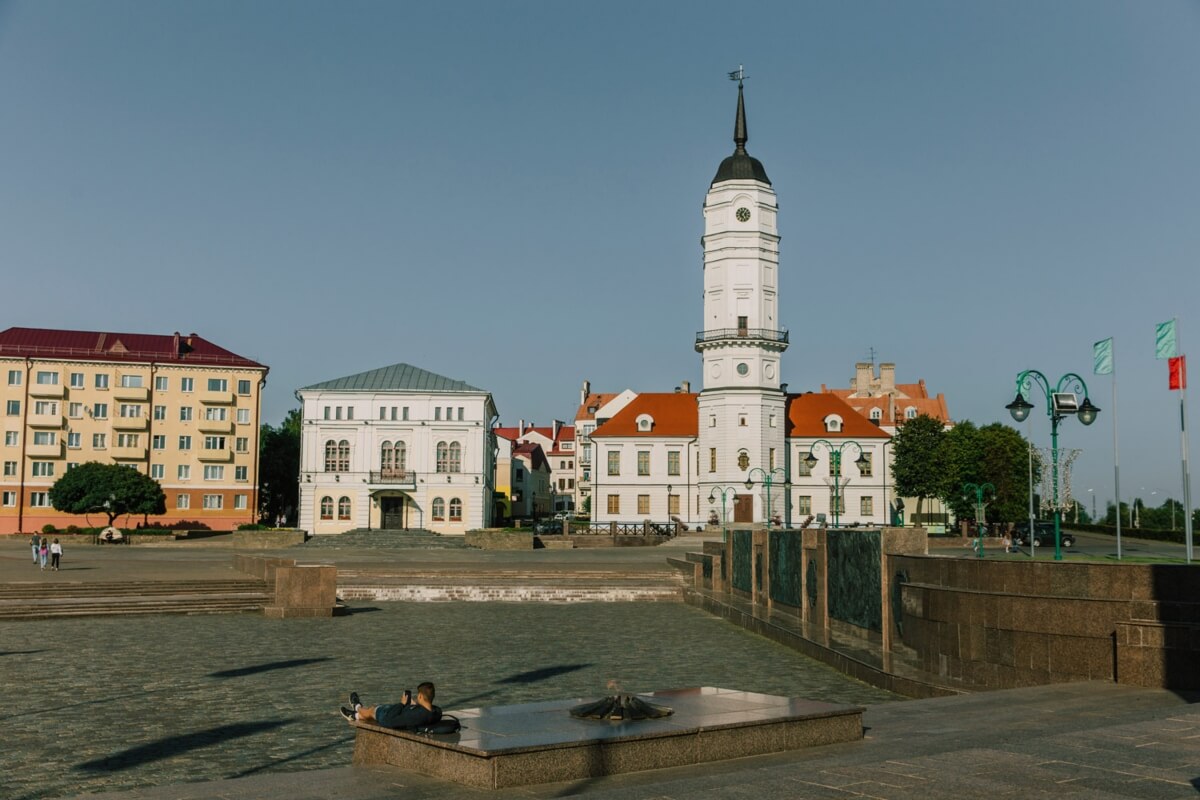
Considering a move to Belarus? This Eastern European gem, with its rich history, vibrant culture, and affordable lifestyle, offers a unique experience for expatriates. Whether you’re drawn to the bustling capital of Minsk or the serene countryside, this guide provides essential insights to help you navigate life in Belarus as an expat.
Why Choose Belarus?
Belarus, often referred to as the “last Soviet frontier,” blends Soviet-era charm with modern development. Its low cost of living, strategic location bordering Russia, Ukraine, Poland, Lithuania, and Latvia, and growing IT sector make it an attractive destination for professionals and families alike. With a population of approximately 9.1 million and a hemiboreal climate featuring warm summers and cold winters, Belarus offers a distinct lifestyle that balances urban convenience with natural beauty.
Key Highlights:
Practical Tips for Living in Belarus
1. Language and Communication
Belarus has two official languages: Belarusian and Russian, with English becoming more common among younger generations. However, English is not widely spoken, so learning basic Russian or Belarusian is highly recommended for daily interactions. Street signs and public transport information are often in Cyrillic, so carrying a phrasebook or using translation apps can be helpful while adjusting.
Tip: Enroll in language classes or join expat communities like InterNations to connect with others and improve your language skills.
2. Cost of Living
Belarus offers a cost-effective lifestyle. In Minsk, a two-bedroom apartment in the city center may cost around €800–€1,000 per month, though negotiating directly with landlords can yield discounts. Groceries and public transport are affordable, though imported goods like alcohol and clothing can be pricier.
Sample Monthly Costs (Minsk):
3. Housing
Expats can choose between urban apartments in Minsk or traditional homes in the countryside. Minsk offers modern and Soviet-era properties, with rentals being the most practical starting point for newcomers. Working with a local real estate agent familiar with expat needs can simplify the process. Ensure you understand legal requirements, such as obtaining a “Vypiska z EGRP” (Extract from State Register of Real Property) for property transactions.
Tip: Start with a rental to explore neighborhoods like the city center or quieter suburbs before committing to a purchase.
4. Visa and Registration
Most foreign nationals require a visa to enter Belarus, obtainable through Belarusian embassies or consulates. Citizens of certain countries (e.g., Russia, Ukraine) enjoy visa-free stays of up to 30–90 days. If staying longer than 10 days, you must register with the local Citizenship and Migration Department (OVIR) or online via portal.gov.by. Hotels typically handle registration for guests, but private accommodations require self-registration. Failure to register may result in fines or deportation.
Work Permits: Foreign nationals planning to work in Belarus should confirm the applicable work authorization, visa and residence requirements before travelling. Requirements vary depending on nationality, employment arrangements and intended length of stay. Consult the relevant Belarusian authorities for current guidance.